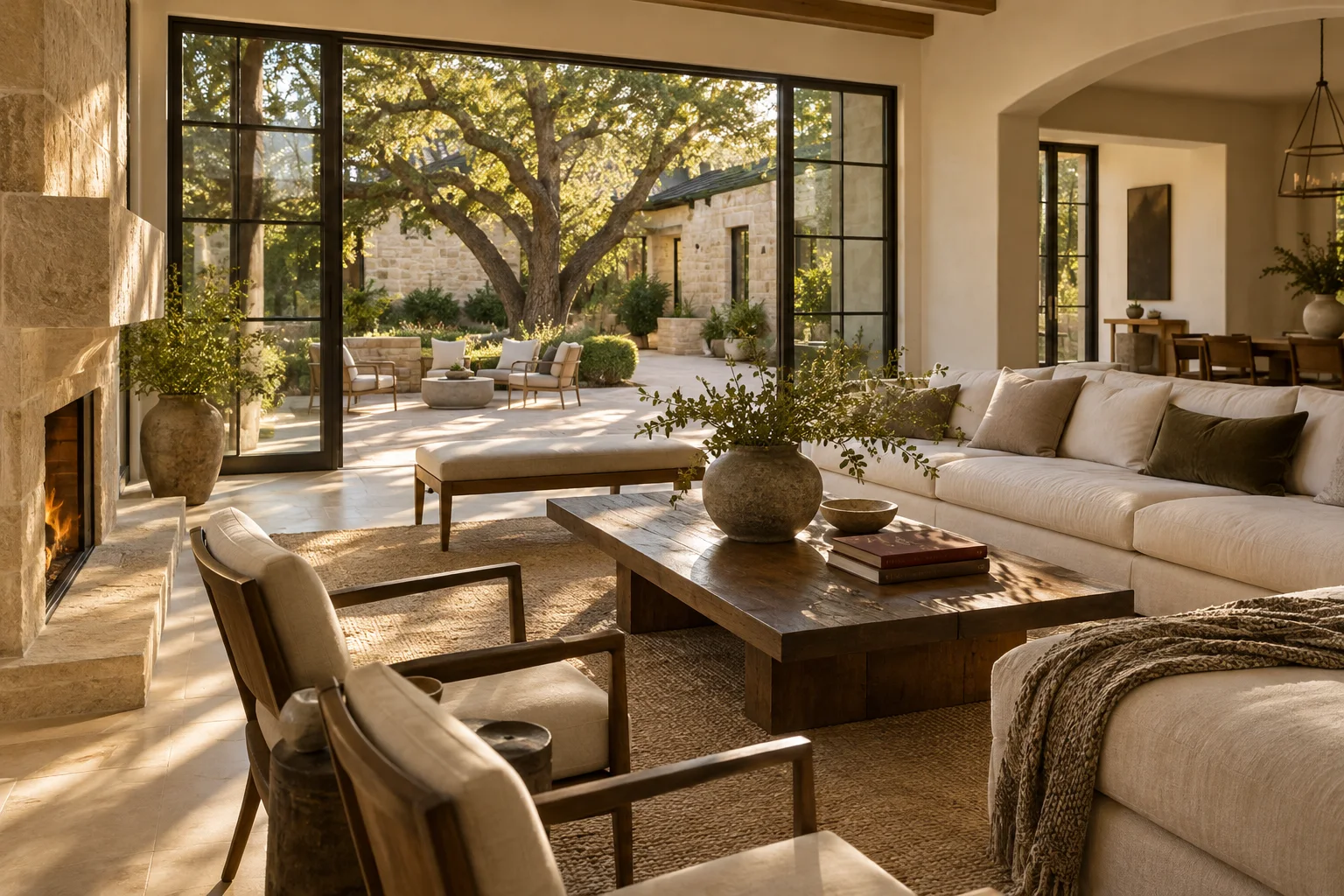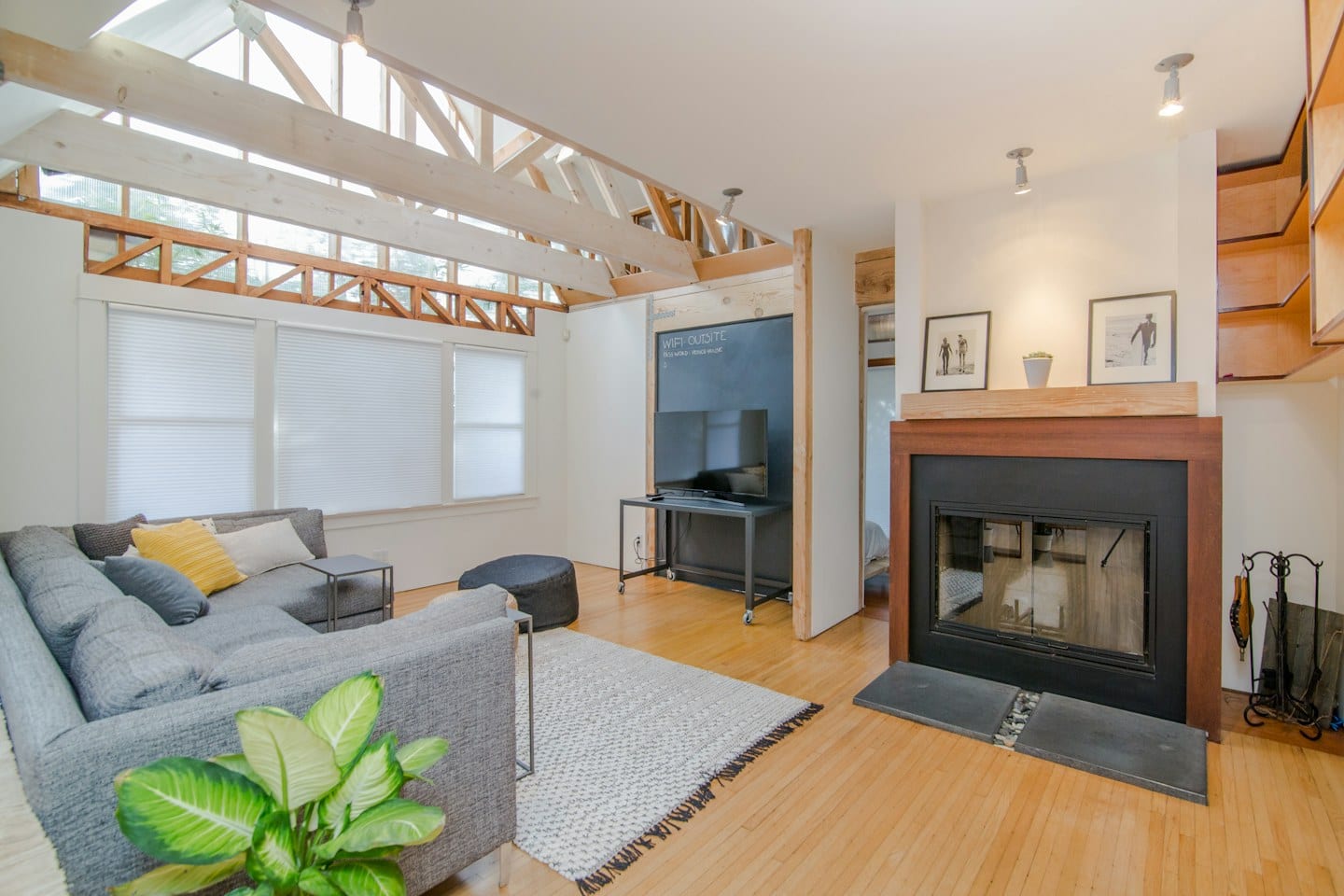
A new area rug can transform a living room, but the physical reality of a large textile often differs from the mental image. Selecting a size involves more than just matching the width of a sofa or the length of a coffee table. It requires an understanding of how much floor remains visible and how much space is dedicated to movement.
The Geometry of the Room
Before browsing collections, take a roll of painter's tape and several sheets of kraft paper or newspaper. Instead of guessing how a 9x12 rug might feel in a Dallas living room, lay the paper directly onto the floor to mimic the intended dimensions. This allows you to see the actual footprint in relation to your existing architecture, such as baseboards, floor vents, or doorways.
Once the outline is set, place your furniture—or at least markers representing the furniture—within or around the perimeter. This step reveals whether the rug feels like a cohesive anchor for your seating arrangement or if it creates awkward, narrow strips of bare floor that make the room feel fragmented. You might find that a rug which looks generous in a showroom feels cramped once your armchair is tucked into the corner.
Testing the Flow
The most significant tradeoff in rug selection is between aesthetic coverage and functional walking routes. A rug that extends far into a high-traffic hallway might look grand, but it may also create a physical obstacle for those moving between rooms.
For example, if you are deciding between a rug that sits entirely under a dining set and one that extends into the kitchen threshold, walk the path. Does the paper outline force you to step sideways to avoid a corner? Does it interrupt the natural stride of someone walking from the entryway to the sofa? By walking these simulated paths, you can decide if the visual benefit of a larger rug outweighs the potential for a trip hazard or a disrupted flow.
Preparing for the Specialist
If your measurements suggest you need a custom size or a specific material to handle the local environment, you will eventually need to consult a professional. Rather than asking for a general quote, use your paper outlines to provide specific details. This ensures the information you receive is tailored to your actual spatial constraints.
When you contact a specialist, consider asking the following questions to refine your request:
- Based on the dimensions I have outlined, what specific edge treatments or binding options would best suit this layout?
- How does the thickness of the recommended material affect the way furniture sits on the edges of my planned outline?
- Can you provide a quote that accounts for the specific placement of my existing floor features?
The goal is to move from a vague idea of "a large rug" to a precise understanding of how a specific shape will inhabit your home. Once you have walked your paper paths and confirmed the furniture placement, you can approach a professional with the confidence that your choice is based on your lived experience of the room.