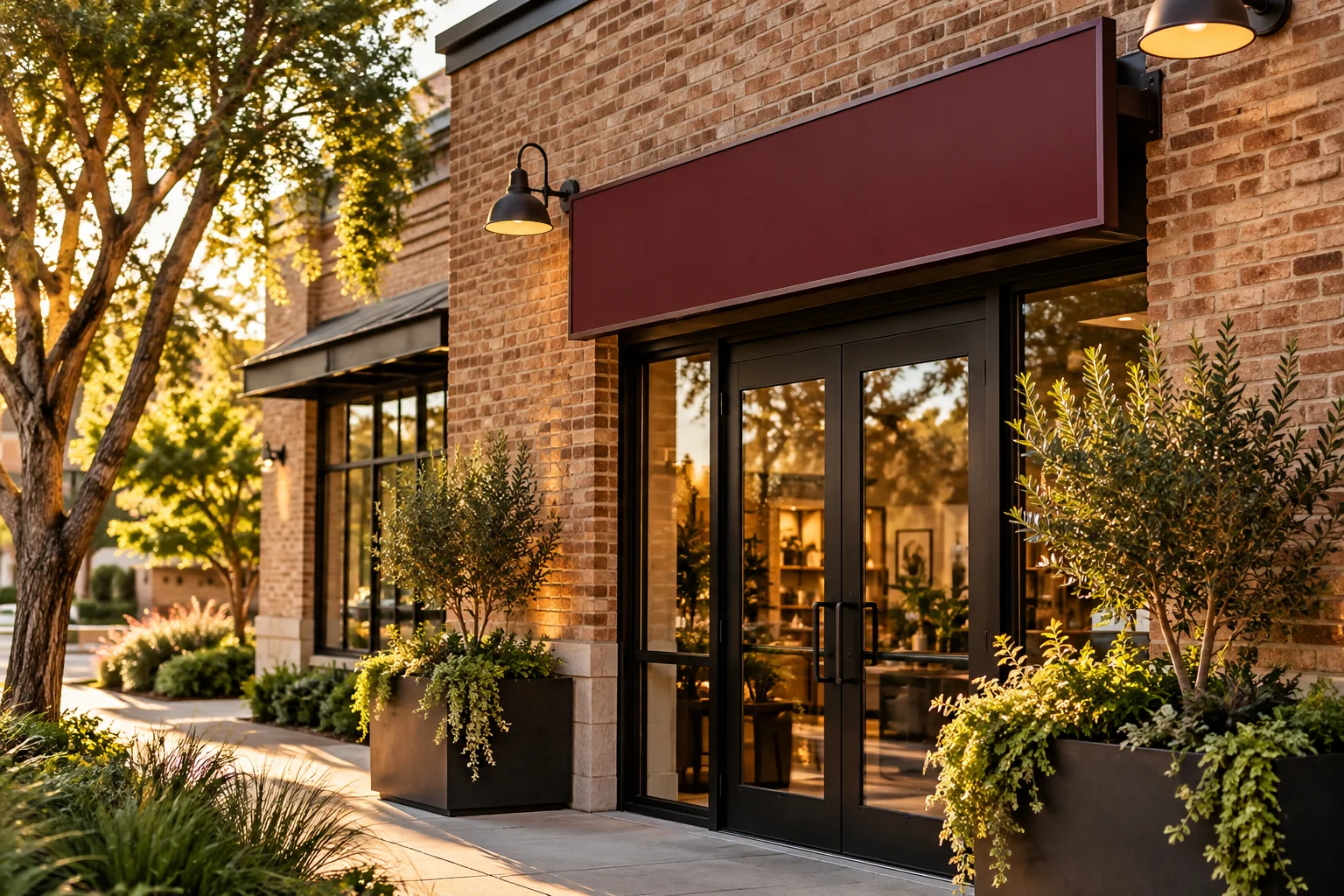
A new storefront sign is a silent ambassador for a business, standing as a constant signal to every driver and pedestrian passing by. Whether you are establishing a presence in a busy Dallas corridor or a quieter Fort Worth neighborhood, the physical manifestation of your brand requires precision. The process often begins with a vision, but the transition from a mental concept to a manufactured object can encounter friction if the initial instructions are unclear.
Resolving Conflicting Descriptions
Confusion often arises when different stakeholders provide diverging directions for a single project. You might find yourself holding two separate briefs: one from a designer emphasizing a minimalist, sleek aesthetic, and another from a business partner focused on high-visibility, bold colors for maximum roadside impact. These two goals—sophistication versus sheer visibility—often exist in tension.
For example, if your branding specialist requests a subtle, backlit logo to maintain a high-end feel, but your operations manager insists on large, bright lettering to ensure customers can find the entrance from a distance, you face a fundamental design tradeoff. Choosing the subtle option may enhance your brand's perceived prestige but could make it harder for new customers to locate you during peak hours. Choosing the high-visibility option may increase foot traffic but could clash with the curated atmosphere you intend to create.
Preparing the Visual Brief
To move past these contradictions, gather the tangible assets you currently possess. Having high-resolution photographs of the intended installation site is essential. These images allow a provider to see the texture of the building facade, the surrounding architecture, and the existing lighting conditions. If you have specific brand assets or existing photography of your products, present these alongside your descriptions. Providing a clear, singular set of visual references helps minimize the risk of a product that looks different from your intended brand identity.
Questions for the Provider
Once you have reconciled your internal descriptions and gathered your site photos, the next step is to consult a sign professional. Rather than assuming a design is ready for production, use the consultation to test the feasibility of your ideas. Ask the provider how the specific materials and lighting styles you have discussed will perform in the local environment.
It is also vital to address the logistical requirements of the installation. Ask the provider which specific approvals are necessary for the proposed signage and who is responsible for arranging them. You should also inquire about the technical feasibility of mounting your chosen design onto your specific building material. By addressing these practicalities early, you ensure that the final sign serves its purpose without unexpected delays or installation hurdles.


