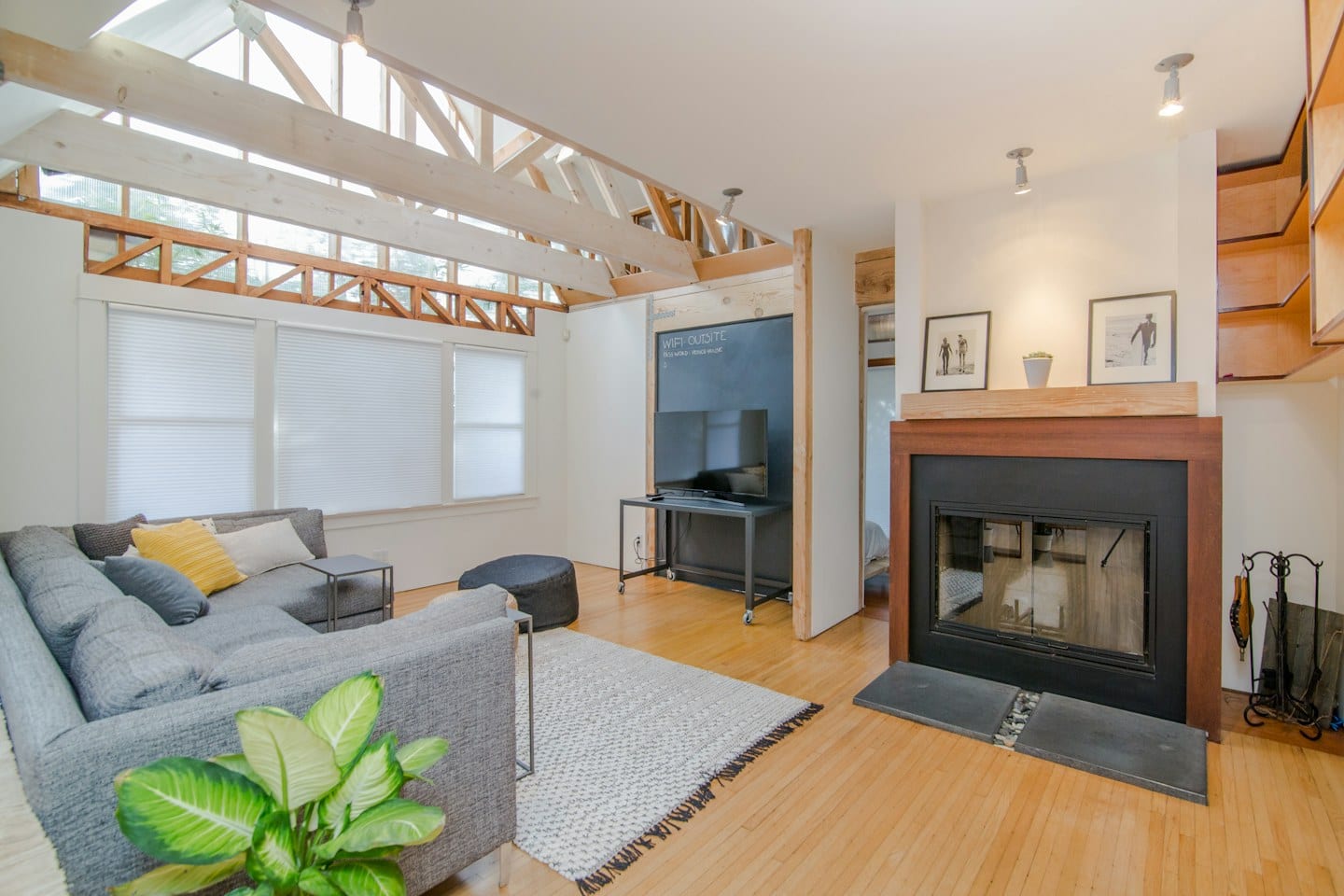
A blueprint left on a kitchen counter or a half-finished floor plan in a spare room can feel like a set of instructions you never asked for. When you inherit a home with an unfinished vision, the pressure to complete the space according to the previous owner's intent can be overwhelming. You might find yourself staring at a corner that was clearly meant to be a reading nook or a home office, wondering if you should follow the original design or pivot toward your own needs.
Watching the light and the noise
Before committing to a permanent renovation or even a new piece of furniture, spend time observing how the space actually interacts with your life. A corner that looks serene in a midday photograph might change entirely when the afternoon sun hits the floorboards or when the neighborhood activity picks up. Instead of relying on the intended purpose of the room, watch for the natural interruptions that occur during your most important hours.
For example, if you intend to use a sunlit corner for quiet reflection, observe whether that light becomes a distraction or if the sound of passing traffic through a specific window disrupts your focus. Note whether the space feels cohesive during your morning coffee or if it feels isolated when the rest of the house is in motion. The goal is to see the room not as it was designed, but as it functions.
The benefit of a temporary setup
One way to test a space without making permanent changes is to create a movable arrangement. Rather than installing built-in shelving or heavy cabinetry to fulfill the inherited plan, try using lightweight tables, folding chairs, or rolling carts. This allows you to shift the layout as you discover how you move through the house. A setup that works on a Tuesday morning might feel cramped or poorly lit by Thursday evening.
This approach presents a meaningful tradeoff. A temporary setup lacks the polished, integrated look of a custom-built room, but it protects you from the regret of a permanent installation that does not suit your rhythm. You gain the freedom to experiment with different orientations and distances from windows or doors before any dust is raised.
Deciding on the permanent shift
Once you have observed the space through different times of day and various levels of household activity, you will have a clearer sense of whether the inherited plan serves you. If you decide the space requires professional modification, ask a contractor how the proposed changes will accommodate the specific light patterns and noise levels you have noted. You might also ask a designer how a more permanent installation could offer the utility you discovered during your testing phase without strictly adhering to the original, unfinished sketches. By prioritizing your own observations over the previous occupant's intentions, you can transform a lingering project into a functional part of your home.