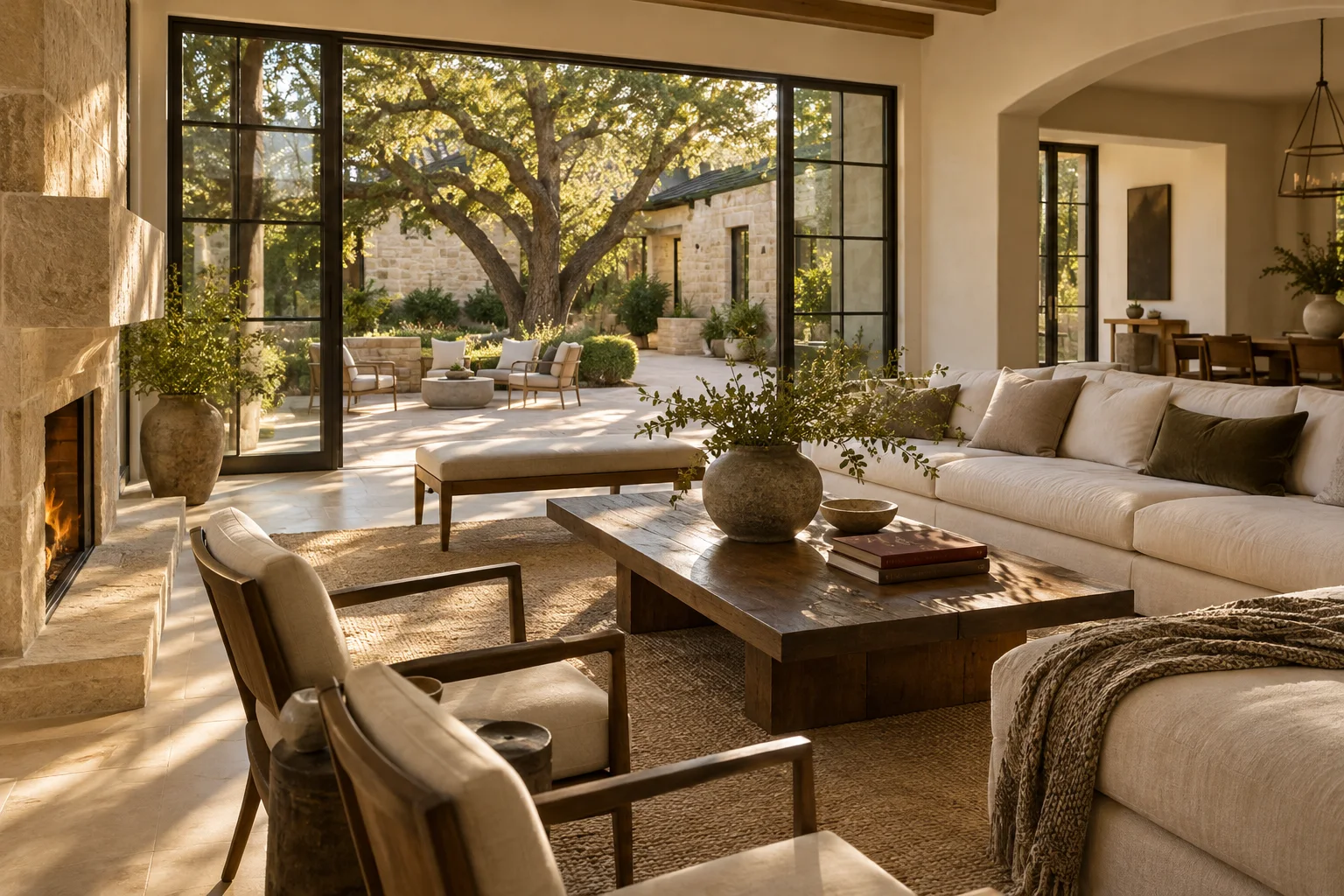
Entering a new rental room often brings a sense of possibility, yet that excitement can be tempered by the physical limitations of the space. Unlike a home you own, a rental requires a strategy that prioritizes mobility and preservation. You want a space that reflects your personality, yet you must navigate the reality that you cannot drill into walls, repaint the trim, or alter the floor plan. The challenge lies in layering texture and function without leaving a permanent mark on the property.
Balancing Divergent Styles
Conflicts often arise when two people occupy a shared space with diverging priorities. For example, if one person prioritizes a minimalist, airy aesthetic to maintain a sense of calm, while the other seeks a cozy environment filled with books and collections, the room can quickly feel cluttered or uninspired. One person might see a bare wall as a clean slate, while the other sees it as a missed opportunity for expression. This creates a meaningful tradeoff: do you choose a neutral, shared middle ground that satisfies neither, or do you invest in versatile pieces that allow each person to claim a specific corner of the room? Navigating this requires a shared approach to furniture and storage that satisfies both the need for openness and the desire for personal character.
The Versatility of Freestanding Elements
Instead of permanent installations, look toward freestanding elements that provide structure. Tall, open shelving units can act as room dividers or vertical storage hubs without requiring any hardware to be driven into the walls. Large floor mirrors can expand the visual depth of a small room, while area rugs offer a way to define a specific zone or cover existing flooring. When choosing pieces, consider how easily they can be moved if your living situation changes. A heavy, oversized wardrobe might offer great storage, but a modular shelving system might provide more flexibility for different room layouts. Consider the weight of these items and how they interact with the existing surfaces to ensure they do not cause unintended wear.
Managing Personal Belongings
Storage is often the most difficult hurdle in a rental. If your belongings exceed the provided closet space, you might consider under-bed containers or decorative trunk-style seating. These items serve a dual purpose, providing a place to tuck away seasonal clothing while acting as functional furniture. For those with larger collections or items that do not fit the room's footprint, external storage options become a relevant consideration. Ask a local facility provider how they handle climate control and what their access policies entail for your specific schedule. This can help you decide whether to keep your items in the room or move them to a more secure, off-site location.
Clarifying Expectations
Before introducing any significant changes, even those that seem minor, it is wise to seek clarity from the people overseeing the building. If you are considering hanging art with adhesive strips or installing a temporary light fixture, ask management how these specific items might affect your standing. You might ask: "What is your policy regarding non-permanent wall attachments?" or "If I bring in my own freestanding furniture, are there specific weight or floor-protection requirements I should follow?" Clarifying these details early helps prevent unexpected friction when it comes time to move on to your next residence. By asking these questions and selecting adaptable furniture, you can create a space that feels personal without compromising your relationship with your landlord.
