A familiar Saturday afternoon at a local park or a weekend stroll through a museum often relies on a rhythm you have mastered over years. You know which paths are level, which entrances are closest to the parking, and where the quietest corners reside. However, when a change in your personal routine occurs—perhaps due to a temporary shift in mobility, a change in your group composition, or a new way of navigating your surroundings—those established rhythms may no longer apply. The destination remains the same, but the way you interact with that space might be entirely different.
The Shift in Perspective
Relying on memory or outdated assumptions can lead to unexpected friction once you arrive at a venue. Instead of assuming the environment remains static, treat the outing as a new discovery by verifying the current state of the venue. A change in routine does not necessarily mean a change in your goal, but it does mean your logistical requirements have changed. You might still intend to visit the same botanical garden or the same downtown plaza, but the way you move through those spaces requires a different set of observations.
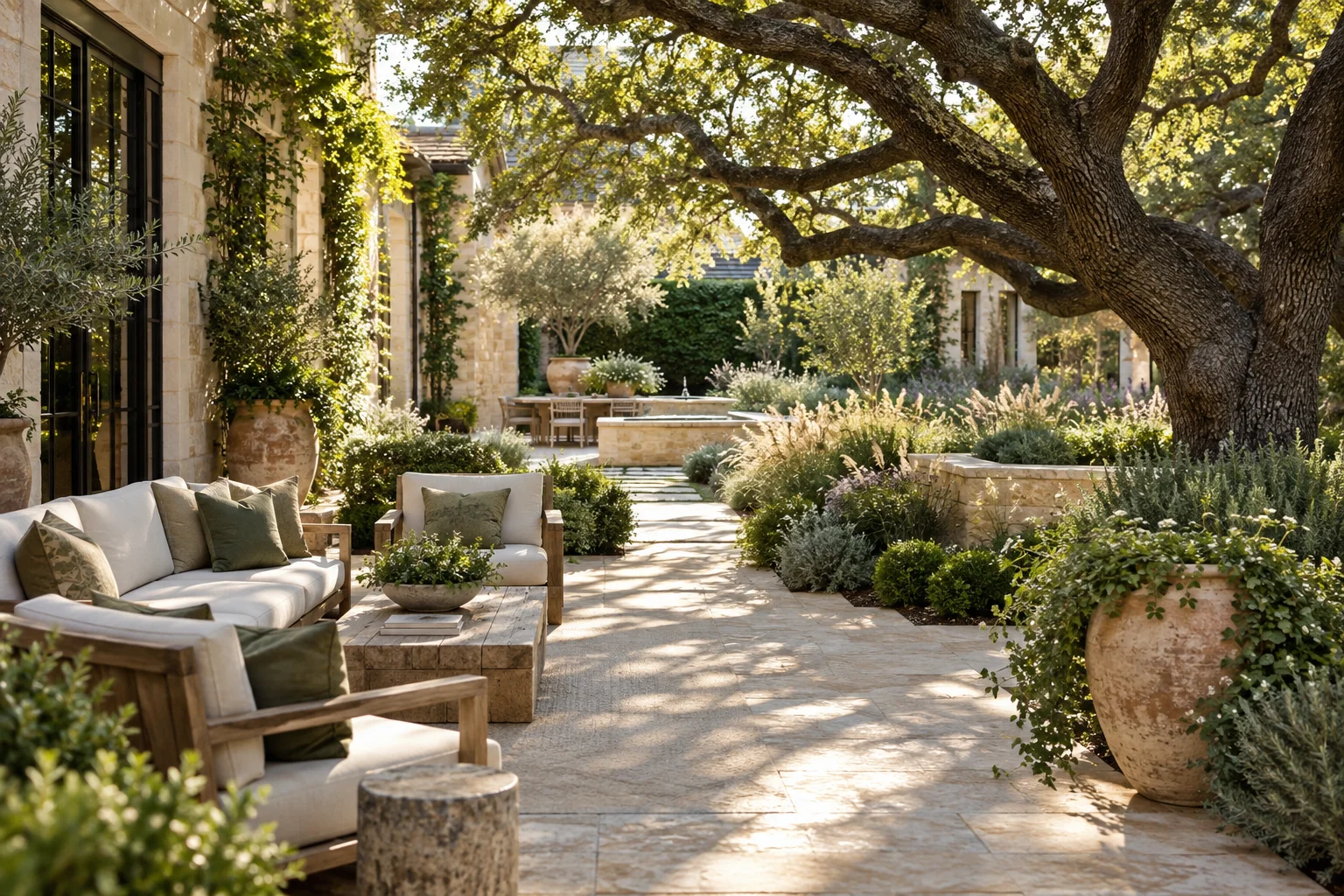
For example, if you have historically enjoyed walking through an outdoor sculpture garden but now find that your need for frequent seating has increased, the experience changes. The goal remains the art, but the logistics of the visit require different information. You might find that a path you once took is currently under maintenance, or that the specific seating area you relied on has been moved. In this scenario, the tradeoff is between your familiarity with the location and the actual current conditions of the site.
Evaluating the Tradeoffs
Every outing involves a tradeoff between the desire for a specific atmosphere and the necessity of ease. You might choose a highly popular, bustling venue because of its vibrant energy, knowing it requires more effort to navigate. Alternatively, you might opt for a quieter, more spread-out location that offers more predictability but less social stimulation. Assessing these factors before you leave the house allows you to decide which environment better suits your current needs.
When considering these tradeoffs, ask yourself what specific elements of the environment are essential for your comfort. Is it the proximity of restrooms? Is it the presence of shade? Is it the ease of transitioning from a vehicle to the main attraction? Identifying these priorities helps you filter the information you gather during your inquiries. Understanding whether you prioritize a specific view or a specific level of ease allows you to make a more informed choice about where to spend your afternoon.
Direct Inquiries for Clarity
Because no venue can offer a universal guarantee of how a space will feel to every visitor, the most effective strategy is to ask direct questions. Contact the venue ahead of time to gather the specifics that matter to your current routine. You might ask the staff how they would describe the terrain of a particular trail or where the entry points are located in relation to the parking. If you are concerned about specific amenities, ask if they are currently available and where they are situated in relation to the main attractions.
Confirming these details directly removes the guesswork. By matching the venue's current layout and offerings to your specific requirements, you can move between Dallas and Fort Worth with more clarity, ensuring your outing remains an enjoyable part of your week rather than a source of logistical stress. The decision of where to go should be based on the answers you receive from the venue staff regarding your specific needs.