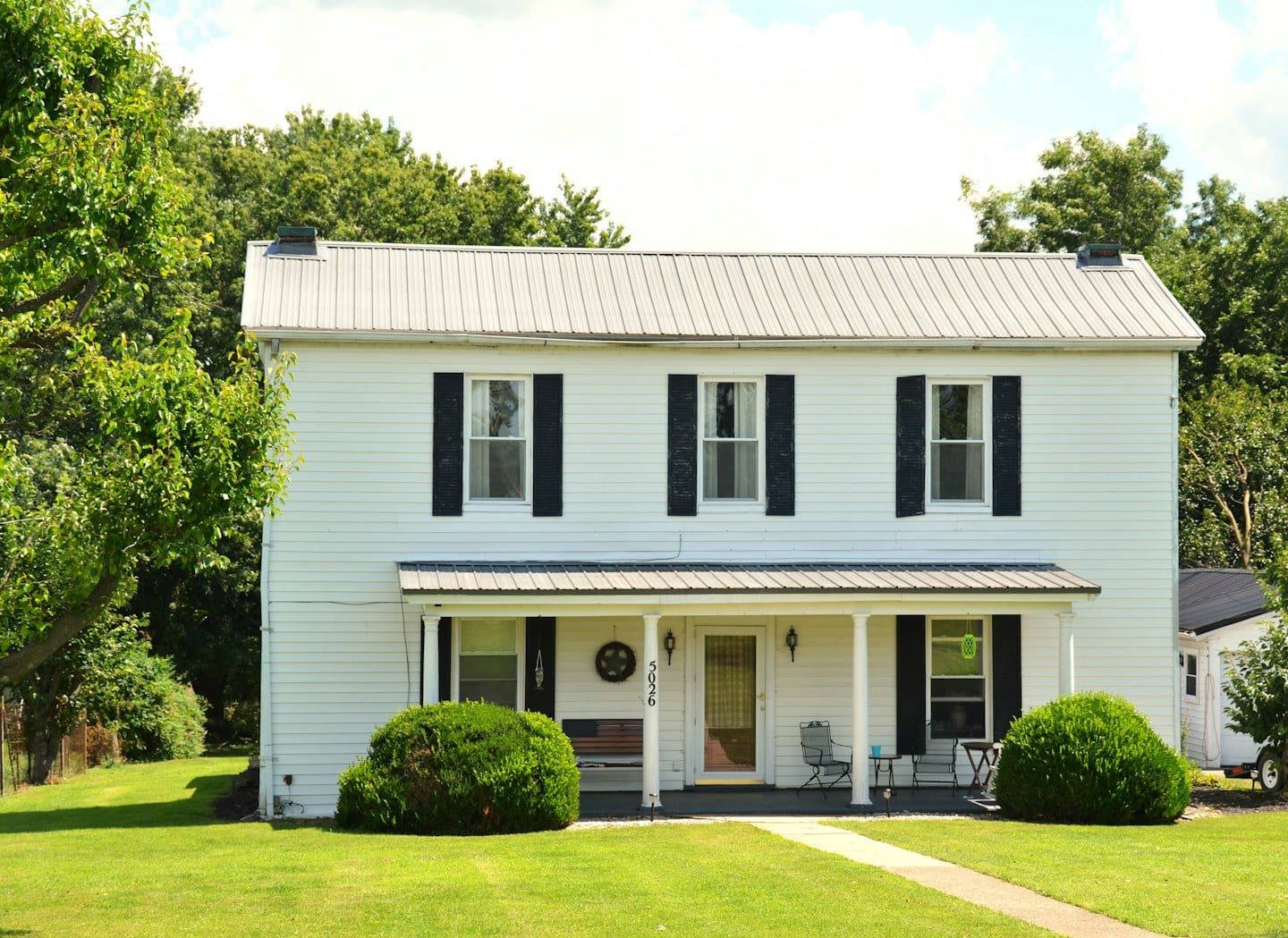
A digital folder filled with snapshots of a room's current state is a common starting point for any home improvement project. However, a disorganized collection of images often fails to provide the clarity needed when discussions about a property's condition become complicated. To make these images useful, they must be organized into a system that separates what is actually visible from what is being assumed.
Separating Sight from Speculation
The most effective way to manage project photography is to group images by specific rooms and by date. This creates a chronological timeline of the space. Within those folders, it is vital to keep observed details separate from interpretations. An observation is a physical fact captured in the frame—such as a crack in a baseboard, a discoloration on a wall, or a gap in a window frame. An interpretation is a conclusion drawn from that sight, such as "the foundation is shifting" or "the window is poorly sealed."
When you save a photo, focus on documenting the physical reality. If you notice something unusual, take a close-up shot of the specific area and a wide shot to show its location within the room. By keeping your notes limited to what the camera actually sees, you prevent subjective opinions from clouding the visual record. This ensures that if you need to revisit the images months later, you are looking at evidence rather than a memory of an opinion.
Resolving Conflicting Descriptions
Discrepancies often arise when different people provide descriptions of the same space. For example, if you are managing a property transition, you might receive two different accounts of a room's condition. One person might describe a kitchen as "in excellent condition," while another describes it as "showing significant wear and tear."
In this situation, a well-organized photo folder acts as a neutral arbiter. If you have a dated, room-specific photograph of the kitchen counters, cabinets, and flooring, you can look at the image to see the actual state of the surfaces. The photograph does not take sides; it simply shows the condition of the materials on that specific date. This allows you to move past vague adjectives and focus on the tangible state of the home. You can identify exactly which surfaces are being debated by matching the descriptions to the visual evidence.
The Tradeoff of Detail
There is a meaningful tradeoff between the speed of taking photos and the utility of the resulting archive. Taking a single, quick photo of a room is easy, but it rarely provides enough context for future use. Conversely, spending time meticulously photographing every corner, outlet, and joint is time-consuming, but it creates a high-fidelity record.
For instance, if you are documenting a room before work begins, a quick photo might show that a wall is painted, but it won't show the texture of the paint or the presence of previous mounting hardware. Ask yourself if the time spent capturing a specific angle will be necessary to resolve a future question. If a discrepancy is likely, the extra time spent on detailed, dated imagery is a necessary investment.
To resolve conflicting reports about a property, return to your organized digital files. Compare the dated photographs against the written descriptions to identify exactly where the accounts diverge. If the visual evidence remains unclear, ask a qualified professional to inspect the specific areas identified in your photos.