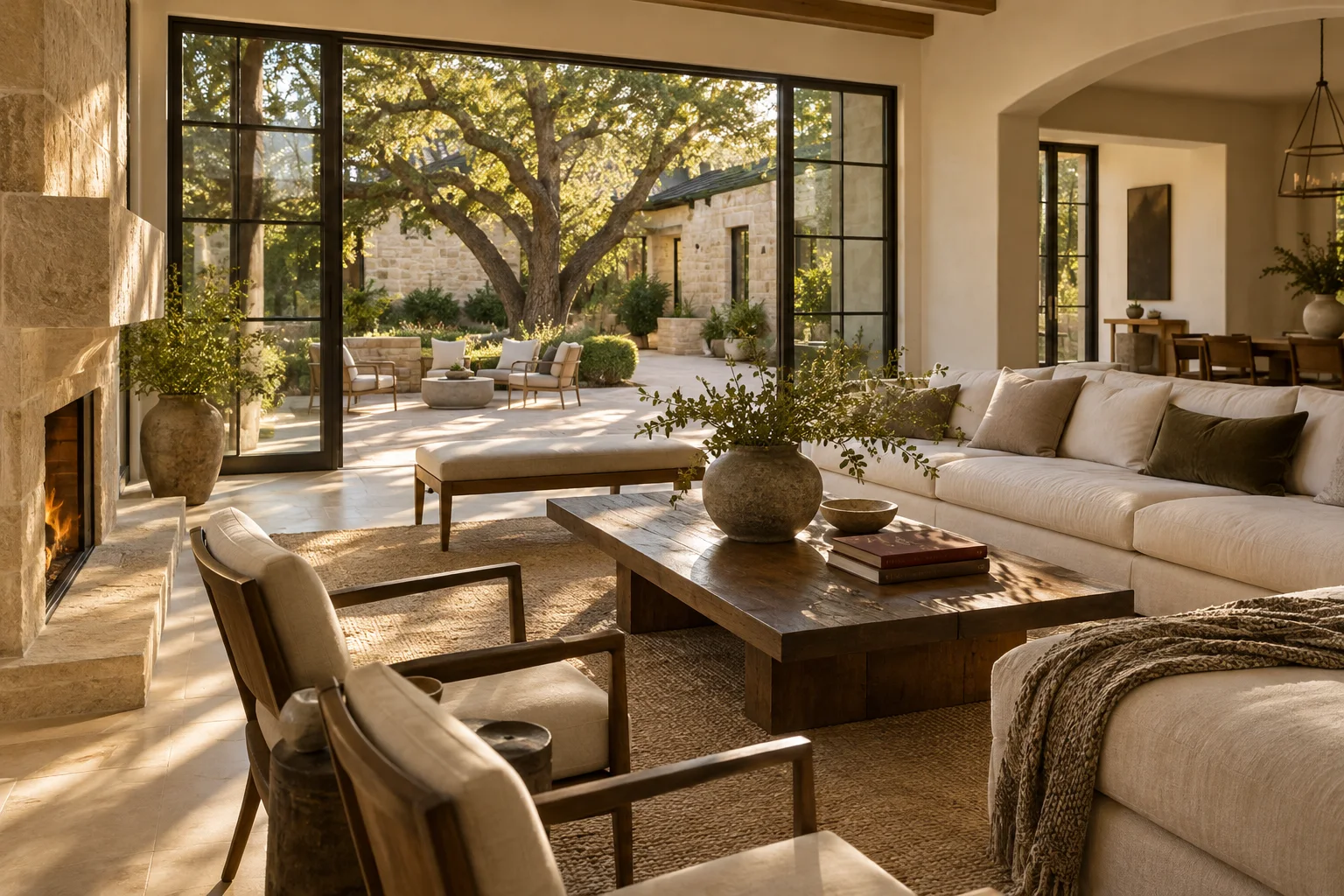
A heavy oak sideboard or a mid-century sideboard sits in the corner of a room, its surface mapped with fine scratches and faded patches. It is a piece with history, perhaps acquired during a move between Dallas and Fort Worth, or perhaps passed down through generations. The desire to restore it often arises not because the object has lost its purpose, but because the way you live with it has shifted.
The Shift in Daily Use
Deciding to repair an older object often stems from a change in routine rather than a change in the object's fundamental goal. For example, if you previously used a large dining table primarily for formal holiday gatherings, its minor surface imperfections might have been easily overlooked. However, if your lifestyle has shifted toward working from home or hosting casual weekday breakfasts, that same table now serves as a primary workspace or a daily hub. The constant friction of a laptop or the daily spills of coffee make those old scars feel much more prominent. You are not looking for a different table; you are looking for a table that accommodates your new rhythm.
Evaluating the Visual Goal
Before seeking assistance, take a moment to document exactly what you see. Observe the object in different lighting—morning sun through a window versus the soft glow of a lamp in the evening. Note where the finish is thinning, where the wood feels uneven, or where the structural integrity seems questionable.
Consider the tradeoff between a total transformation and a subtle refreshment. A complete overhaul might return the piece to a state that looks brand new, potentially erasing the very patina that gives it character. Conversely, a light cleaning or minor stabilization might preserve its soul but leave the visible wear that prompted the inquiry in the first place. Determine if you want the object to look as it did the day it was manufactured, or if you want it to look like a well-maintained version of its current self.
Consulting a Specialist
Once you have identified the visible condition and your desired aesthetic, the next step involves finding a professional who handles restoration. Rather than asking for a specific outcome, focus your conversation on the limits of the craft. Ask the professional what is feasible given the specific materials and the level of wear you have documented.
You might ask: "Based on these specific scratches and the current finish, what level of restoration can be achieved?" or "How will the proposed work affect the original character of the piece?" It is also helpful to ask how they approach the specific structural or surface issues you have observed. By focusing on what is possible rather than demanding a specific result, you allow the expert to provide a realistic assessment of your heirloom's future.
