The decision to drive between Dallas and Fort Worth for a cultural outing often hinges on a single question: is the trip worth the time? When planning a visit to a local museum, you might find yourself staring at two different descriptions of a current exhibition. One source might describe the show as a high-energy, immersive sensory experience, while another characterizes it as a quiet, contemplative study of historical artifacts. This discrepancy can make the choice feel heavy, as if you are gambling with your afternoon.
The Tradeoff of Variety versus Depth
A common impulse when visiting a major institution is to attempt to see everything the venue has to offer. You might arrive with a mental checklist of every permanent collection and rotating installation. However, there is a significant tradeoff between seeing a wide breadth of works and truly absorbing a single, specific exhibition. A broad approach often results in a hurried pace, where you move from room to room without a sense of connection to the subject matter. Conversely, selecting one exhibition allows you to engage with the nuances that the conflicting descriptions failed to clarify.
For example, if you are deciding between a sprawling multi-media installation and a focused collection of paintings, consider how you prefer to process information. If you choose the multi-media show, you may find yourself navigating crowds and varying light levels. If you choose the paintings, you might find a more rhythmic, steady pace. The conflict in the descriptions you read is actually an opportunity to decide which environment suits your current temperament.
Evaluating Your Viewing Preferences
Before committing to the drive, look past the adjectives used by reviewers and think about your own physical and mental energy. Do you want to be challenged by new, perhaps jarring, perspectives, or are you seeking a sense of continuity and calm? If the descriptions do not agree, it is likely because the exhibition contains elements that appeal to different sensibilities. Instead of trying to reconcile the two accounts, ask yourself which version of the experience would leave you feeling more satisfied once you return home.
Creating Space for Reflection
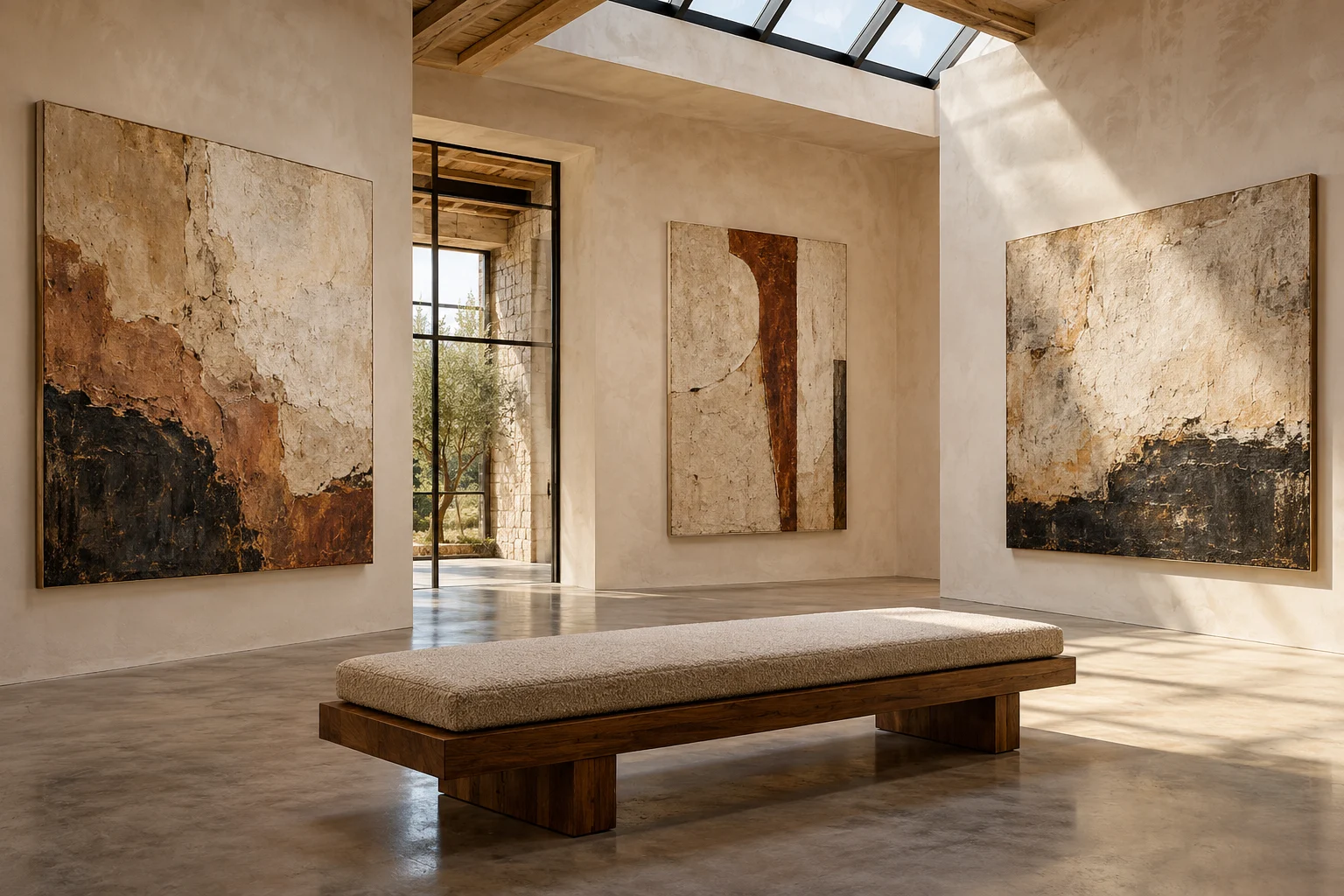
Once you have chosen your focus, the most important part of the visit happens after you have finished walking the gallery floor. Rather than immediately rushing to the museum cafe or heading straight back to the highway, find a bench or a quiet corner within the institution. This period of stillness allows the images or concepts you just encountered to settle. Ask yourself what specific element of the exhibition caught your eye and why the conflicting descriptions might have both been right in their own way.
To make the most of your time, decide on one exhibition before you leave your house. By narrowing your scope, you transform a potentially overwhelming checklist into a meaningful, singular encounter.