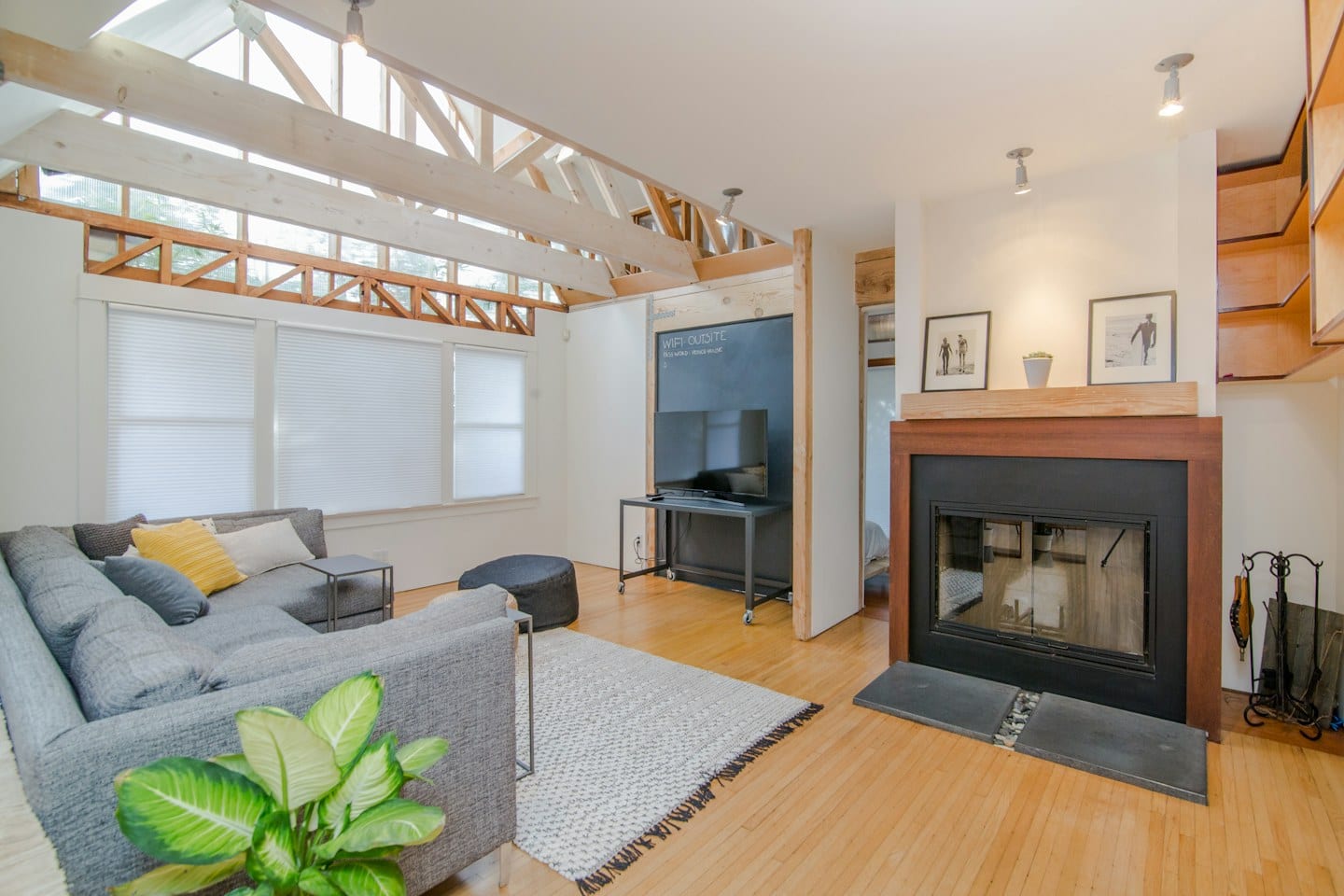
Selecting a centerpiece for a shared living space often feels like a negotiation between two distinct aesthetics. One person may lean toward the sleek, minimalist lines found in a modern Dallas showroom, while the other prefers the substantial, lived-in comfort of a more traditional style. However, the friction rarely stems from color palettes alone; it arises from how the furniture interacts with your actual lives and the changing ways you inhabit your home.
Aligning with new rhythms
Conflict often emerges when one person’s routine shifts, even if the ultimate goal of the room remains the same. For example, if one partner has recently transitioned from a high-energy office role to a more consistent work-from-home schedule, their relationship with the sofa changes. What was once a place to collapse for twenty minutes after a commute becomes a primary lounging spot for reading and midday breaks. A piece that looked beautiful in a catalog might feel inadequate if it lacks the support required for these new, extended periods of stationary activity.
When discussing a purchase, move the conversation away from "Do you like this?" and toward "How will we use this during a typical Tuesday afternoon?" This shift in questioning helps reveal whether a piece supports the reality of your current schedule rather than an idealized version of it.
The tradeoff of form and function
Every major purchase involves a meaningful compromise between visual impact and practical durability. A high-end, light-colored fabric might satisfy a desire for a sophisticated atmosphere, but it presents a different set of considerations for a household that enjoys hosting frequent gatherings. You must weigh the aesthetic satisfaction of a specific material against the reality of its maintenance.
Consider whether the preference for a certain texture or silhouette outweighs the convenience of a more resilient, easy-to-clean alternative. This is not about one person winning the argument, but about identifying which qualities are non-negotiable for the shared environment. If one person prioritizes the visual silhouette and the other prioritizes the ability to host without anxiety, the middle ground may lie in a more durable fabric applied to a more traditional shape.
Establishing a selection process
To prevent a stalemate, decide on the criteria for the final decision before you begin browsing. Create a shared list of requirements based on the dimensions of your room and the specific activities you intend to host there. If you find yourselves stuck between two very different directions, ask a showroom representative how a particular piece handles the specific wear patterns you anticipate. You might also ask how the construction of a frame supports different types of sitting postures.
By agreeing on the metrics for success—such as comfort levels, ease of cleaning, or spatial footprint—you turn a subjective debate into a practical evaluation of how a piece fits into your collective life. Once you have defined these parameters, the choice becomes a matter of matching the available options to your agreed-upon needs, rather than a struggle of personal taste.