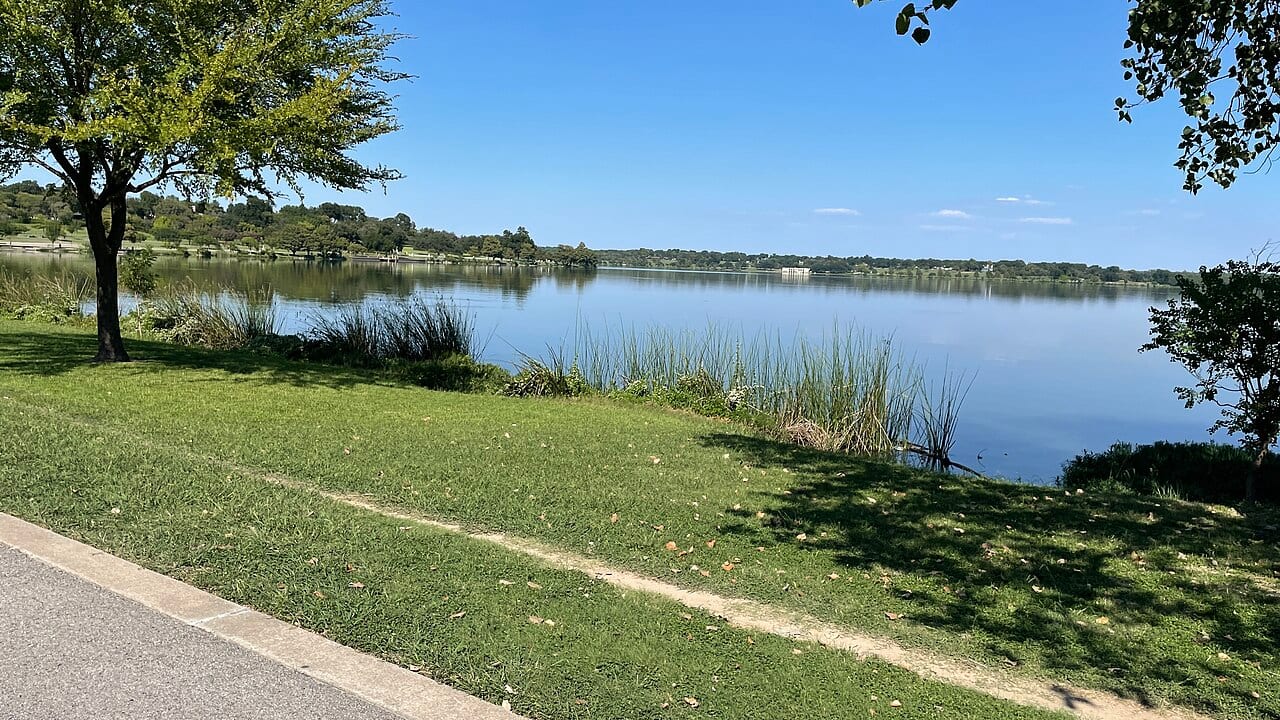
An old map, a scribbled note on a napkin, or a half-finished itinerary left behind by a relative can feel like a gift. You might find yourself holding a plan for a scenic stroll through a local park or a trek along a trail between Dallas and Fort Worth, intended by someone else but now meant for you. While the impulse is to follow the previous person's footsteps exactly, a walking route is a living thing that depends entirely on the people currently moving through it. To make the most of an inherited itinerary, you must look past the ink on the page and focus on the people standing at the trailhead.
The Weight of Inherited Distances
The primary challenge of an unfinished plan is that it was designed for a different set of lungs and different legs. A route that seemed manageable to a sibling or a parent may present a different set of physical demands for you. The distance recorded in a notebook does not account for your current pace or your desire for frequent pauses. When you pick up a plan that was not your own, you are essentially adopting someone else's physical expectations.
For example, if you find a note suggesting a five-mile loop through a wooded area, you must weigh the satisfaction of completing the original goal against the reality of your own stamina. You might decide that the scenery is worth the effort, or you might find that a shorter, two-mile stretch provides a more pleasant experience. The tradeoff is between honoring the original intent and prioritizing your own comfort. Ask those joining you what specific distance they feel capable of before you commit to the full length of the inherited route.
Verifying the Current Terrain
A plan written six months ago—or six years ago—cannot account for the shifting conditions of the North Texas landscape. Trails change, paths may be redirected, and weather patterns alter the accessibility of certain areas. Before you lace up your shoes, you need to know if the route described still exists in that specific form. An outdated plan can lead to dead ends or unexpected obstacles that were not present when the original notes were taken.
Ask the organizers or check recent local updates to see if the intended path is currently open or undergoing maintenance. If you are walking with a group, ask each participant what specific conditions they are comfortable with. Do they prefer paved, level surfaces, or are they looking for uneven ground? Do they want a shaded canopy, or are they prepared for open exposure? Understanding these preferences helps prevent a mismatch between the plan and the participants.
Defining the Exit Strategy
Every successful walk requires a clear understanding of when to turn back. An inherited plan often lacks a "stop" command; it simply ends where the previous planner thought it should. To avoid frustration, establish a verbal agreement with your companions before you take the first step. You must decide how to handle the moment when the original plan no longer matches the group's energy.
Discuss how you will handle changes in energy levels or unexpected shifts in the environment. Ask your companions, "At what point should we consider heading back?" or "How will we decide if we need to shorten the loop?" By agreeing on these signals in advance, you transform an old, static plan into a flexible, shared experience. The goal is not to finish the route as it was written, but to navigate the path as it is today. By asking about preferred distances, verifying current conditions, and agreeing on when to change course, you ensure the walk serves the people walking it rather than the person who wrote it down.