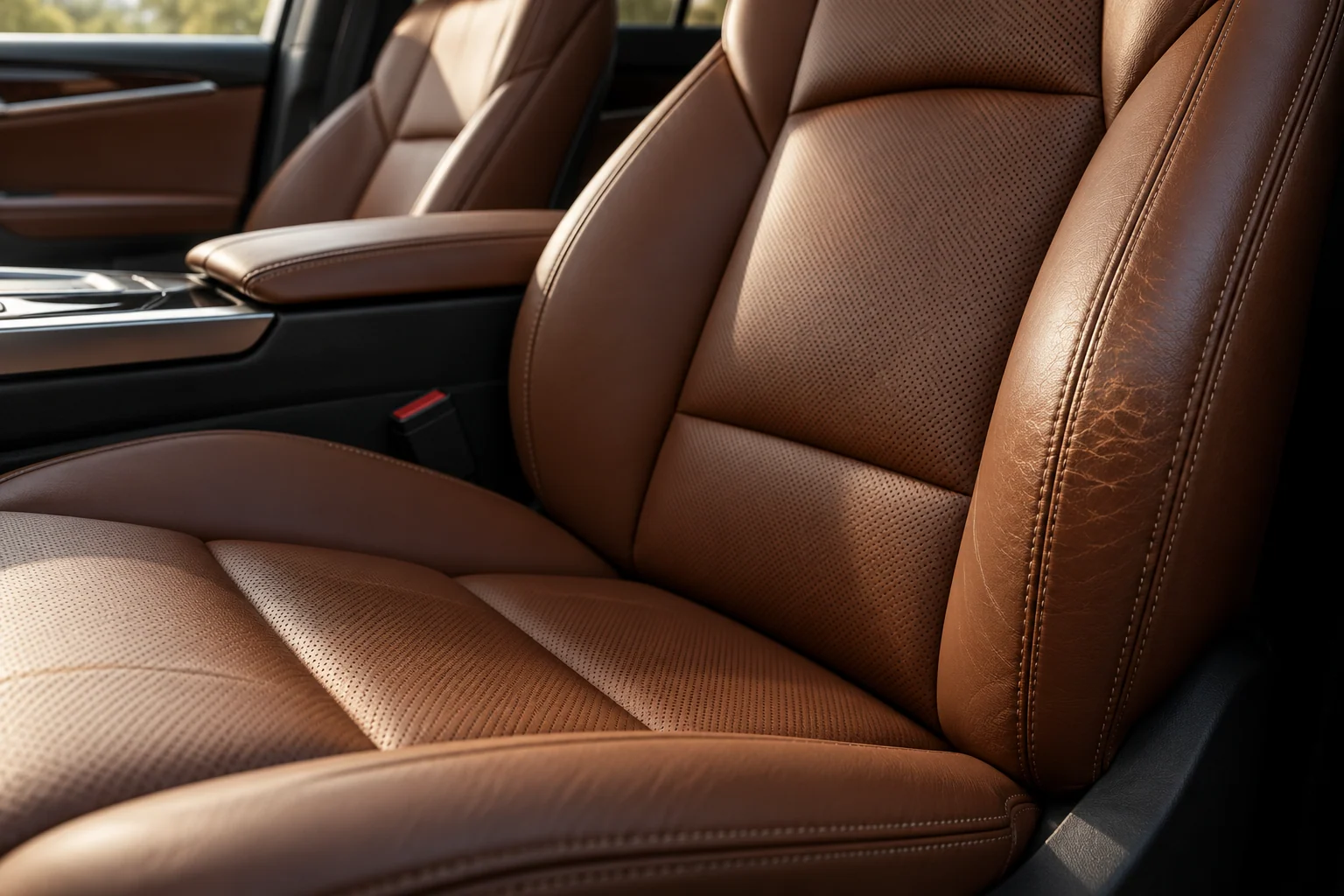
When a repair shop sends you before‑and‑after photographs of an item you’ve entrusted to them, you naturally compare the two images and the accompanying notes to see if the problem was truly fixed. Yet a mismatch between what you see in the pictures and what the shop wrote can leave you uneasy, especially if the written description and the visual evidence don’t line up perfectly.
Seeing is Not Always Believing
When a furniture repair shop sends you a side‑by‑side snapshot of a beloved armchair, you expect the "before" to show the flaw and the "after" to display the fix. But what if the two descriptions you received—one from the shop’s email, the other from the technician’s text—paint slightly different stories? That mismatch can leave you unsure whether the repair truly meets your expectations.
Identify What the Photos Capture
First, note the angle, lighting, and distance in each image. A close‑up of a scratch under harsh light can exaggerate the defect, while a wide shot taken in soft lighting might minimize it. Ask yourself: Is the flaw visible in the "before" shot the same area described in the text? If the technician mentions a stain on the seat cushion but the photograph only shows a tear on the leg, you have a concrete discrepancy to address.
Ask Targeted Questions
- Which part of the item does the photo focus on? Request clarification on whether the image shows the exact spot mentioned in the written description.
- Were any repairs performed that aren’t captured? Some work—like internal stitching or frame reinforcement—may not be visible externally.
- Can you provide a third reference point? A neutral‑lighting photo of the whole piece before work began helps calibrate any visual differences.
Trade‑offs Between Visual Proof and Technical Detail
Photographs give you a quick visual check, but they can’t speak to hidden structural work. Conversely, a detailed written report can explain materials and techniques but lacks the immediacy of a picture. The balance you choose depends on what matters most for your item. If the sofa’s upholstery pattern is a key aesthetic, the photo may carry more weight. If the concern is a cracked frame, you’ll need the technician’s explanation of reinforcement methods.
Imagine a Real‑World Scenario
For example, if you own a vintage wooden dining table that arrived with a deep gouge, the shop’s email says they filled the gouge with a matching wood filler and sanded it smooth. The attached "before" photo clearly shows the gouge, but the "after" picture only displays a close‑up of the tabletop corner—no visible filler line. You wonder whether the filler was applied at all or simply polished over. In this case, you could ask:
- “Can you send a full‑view photo of the entire tabletop after repair?”
- “What type of filler was used, and does it match the original wood grain?”
- “Will the repair hold up under regular use, and is there a warranty?”
When to Bring in a Second Opinion
If the shop’s responses still leave gaps—perhaps they can’t provide a comprehensive photo or their written notes conflict with the images—you might consider a brief consultation with another local upholsterer or woodworking specialist. They can look at the item in person and confirm whether the repair matches the described work.
Deciding What’s Enough
Ultimately, the goal is to feel confident that the repair aligns with what you expected. If the photos, descriptions, and any follow‑up answers all point to the same outcome, you can approve the work and enjoy your restored piece. If uncertainties persist, use the questions above to push for clearer evidence before signing off.
By treating photographs as one piece of the puzzle rather than the whole picture, DFW homeowners can navigate repair claims with clarity, ensuring their cherished items receive the attention they deserve.


