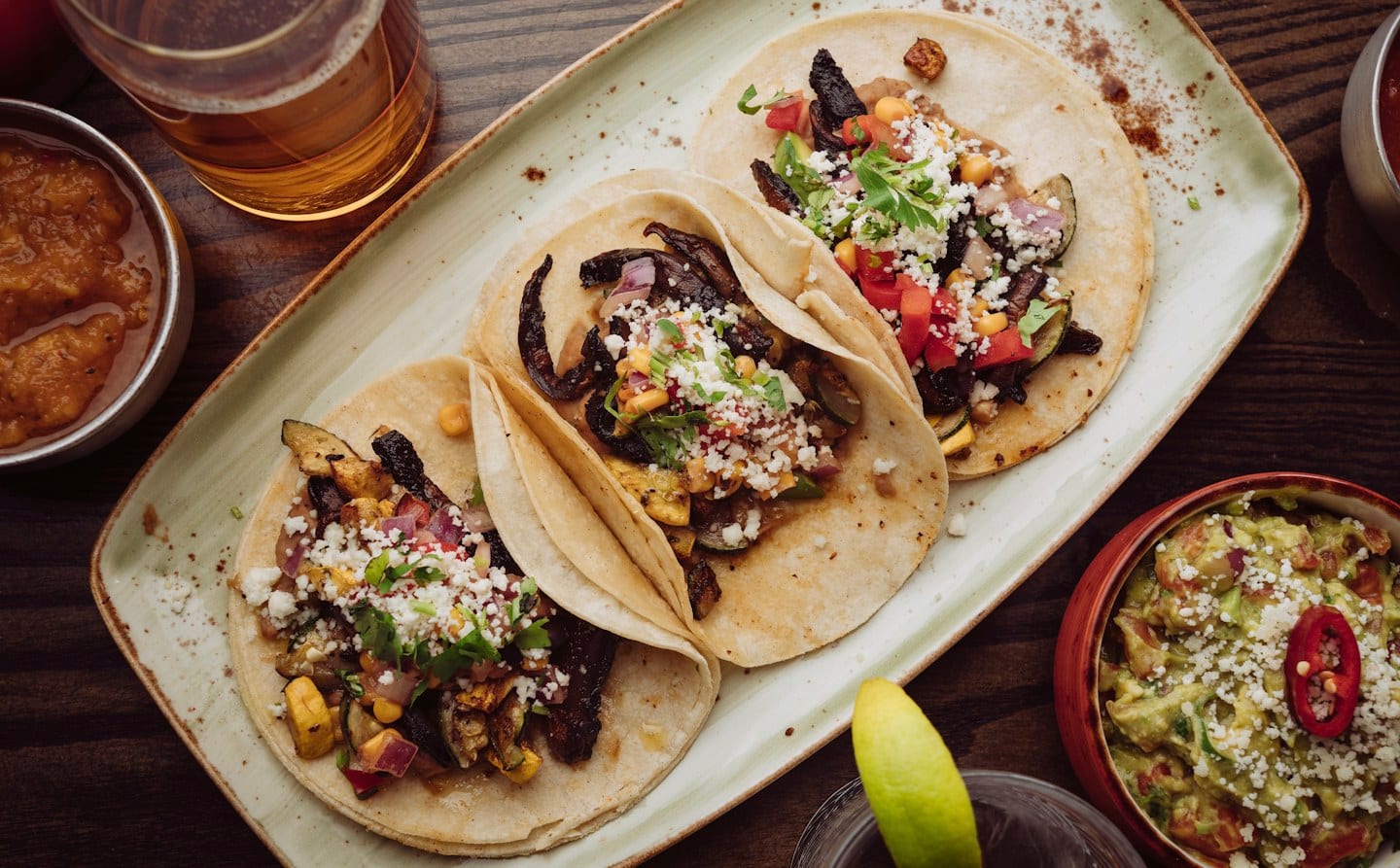
A flight of small plates or a curated tasting menu offers a way to explore new flavors, but it can also become a subtle battlefield of opinions. When two people sit down to sample a sequence of dishes, the natural impulse is often to decide which was the "best" or which failed to meet expectations. This drive to rank can turn a shared culinary experience into a series of disagreements rather than a mutual exploration.
The Trap of the Scorecard
The tension often arises when diners approach a meal with different internal priorities. One person might be searching for technical perfection, looking for how well specific ingredients complement one another. Another might be looking for comfort, seeking flavors that feel familiar or satisfying in a traditional sense. When these two perspectives meet, the conversation can quickly devolve into a contest of who is "right" about a dish.
For example, if you are sampling a series of small, experimental bites, one diner might find a particular acidity refreshing and sharp, while the other finds it jarring and unbalanced. If the goal is to declare a winner, the conversation stalls. One person feels unheard, and the other feels judged for their palate.
Prioritizing Preference Over Performance
To keep the evening focused on the food rather than the friction, try choosing a small, manageable set of items rather than an exhaustive menu. Limiting the number of samples prevents sensory fatigue and keeps the dialogue focused. Instead of reaching for a mental scorecard, try to record specific, personal observations about what you are experiencing.
Instead of saying, "This is a seven out of ten," try describing the physical sensation of the dish. You might note the texture of a sauce or the way a certain spice lingers on the tongue. By framing your feedback around your own sensory experience, you move the conversation away from objective truth and toward subjective enjoyment. This allows room for two people to have entirely different reactions to the same plate without either person being incorrect.
Maintaining the Flow of Conversation
The most successful tastings occur when the dialogue remains open-ended. If a dish sparks a disagreement, use it as a prompt to ask questions rather than a point to defend. You might ask, "What specific element makes that flavor profile work for you?" or "How does the temperature of this dish change your perception of the seasoning?"
When you approach a tasting by valuing your companion's unique perspective as much as your own, the meal becomes a collaborative journey. By deciding to prioritize personal preference over a definitive ranking, you ensure that the evening is defined by the flavors you shared rather than the arguments you had about them.