You arrive at a gathering only to realize you have inherited an unfinished logistical puzzle. A friend has started a large group takeout order for a Friday night in Fort Worth, but the details are scattered across half-finished text threads and vague verbal requests. The menu is open, the hunger is rising, and the responsibility of finalizing the order has landed squarely on your shoulders. Managing a collective meal is a delicate balance of satisfying individual whims while ensuring the final delivery is coherent and organized.
Clarifying the Details
The primary challenge in a group setting is the gap between what someone says they want and what the kitchen actually prepares. When a person requests a modification, the nuance can easily be lost in a busy kitchen. Instead of assuming a preference is understood, ask the restaurant staff how they handle specific adjustments to an order. If a guest mentions they dislike a certain ingredient, ask the provider if that component can be entirely removed or if it is integrated into a sauce that cannot be separated.
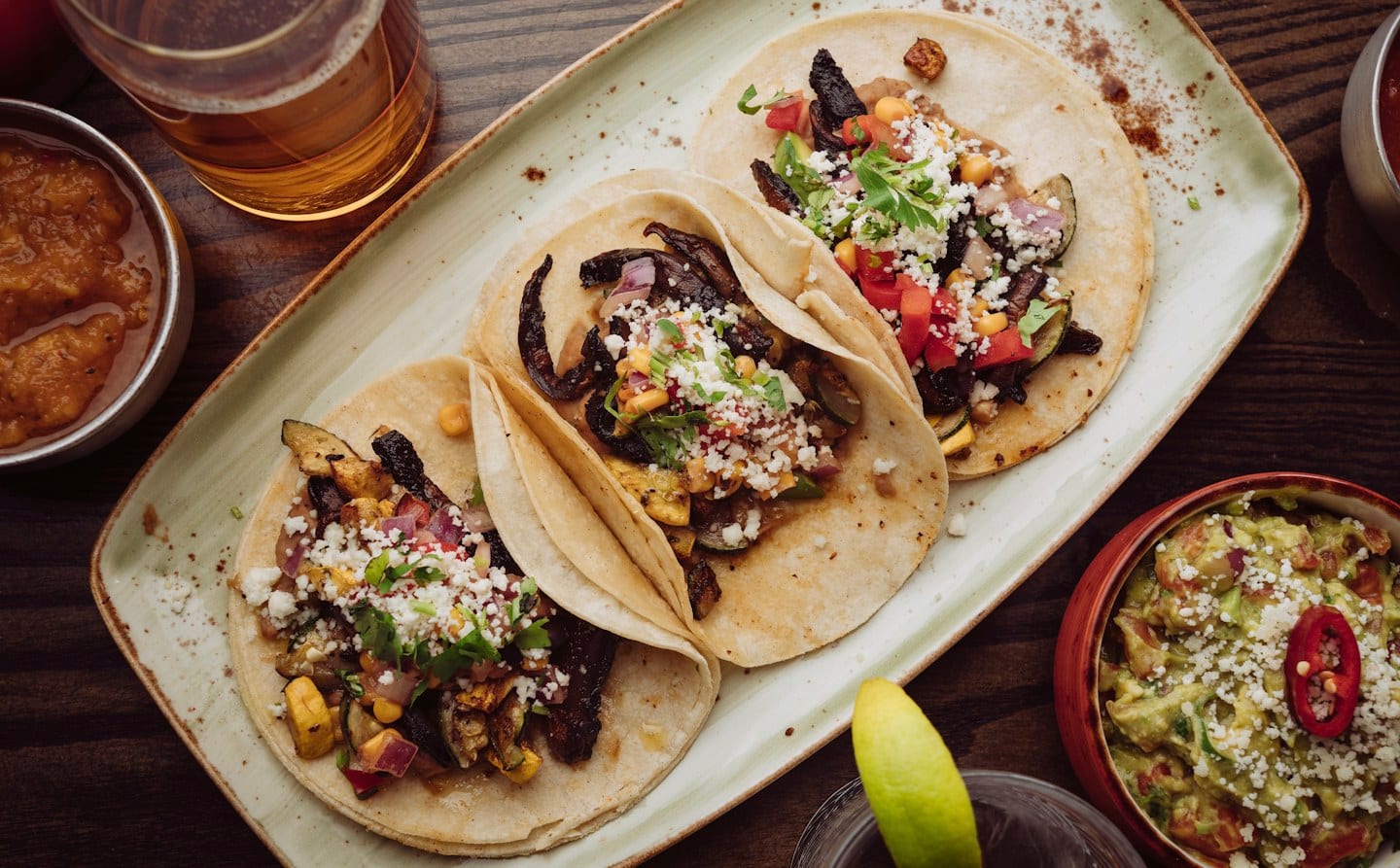
For example, if you are ordering several platters of tacos, one guest might request no onions. Ask the person taking the order if they can mark that specific portion clearly or if the kitchen prepares those items as a single batch. This prevents the frustration of a guest receiving a dish that does not align with their stated preference. When dealing with complex modifications, ask the staff if they recommend certain substitutions that might better suit the dish's preparation style.
Managing the Tradeoff
There is an inherent tradeoff between the speed of ordering and the accuracy of the meal. A quick, streamlined order minimizes the chance of errors but often ignores the specific needs of individuals. Conversely, a highly customized order ensures satisfaction but increases the complexity of the transaction and the potential for mistakes during the rush. To navigate this, prioritize clarity over speed. It is often more effective to spend an extra minute verifying a modification than to spend the evening redistributing incorrect dishes.
Consider the logistical weight of the order as well. A massive, highly varied order might take significantly longer to prepare, potentially leaving the group waiting longer than anticipated. Ask the restaurant how a large, customized order affects their estimated pickup or delivery time so you can manage the group's expectations.
Labeling for the Group
Once the order arrives, the final hurdle is the distribution. A large pile of containers can quickly become a source of confusion, especially when multiple people have ordered similar items with slight variations. To avoid the scramble, consider labeling the containers immediately upon arrival. You might use a marker to note which order belongs to whom, or simply group the items by the person who requested them. This simple act of organization transforms a chaotic arrival into a seamless dining experience.
Before you finalize the transaction, confirm with the restaurant how they package individual portions to ensure each person receives their specific selection intact. By verifying the contents against the original requests and organizing the containers by recipient, you turn an inherited mess into a successful meal. The goal is to ensure that when the lid is lifted, every guest finds exactly what they expected.