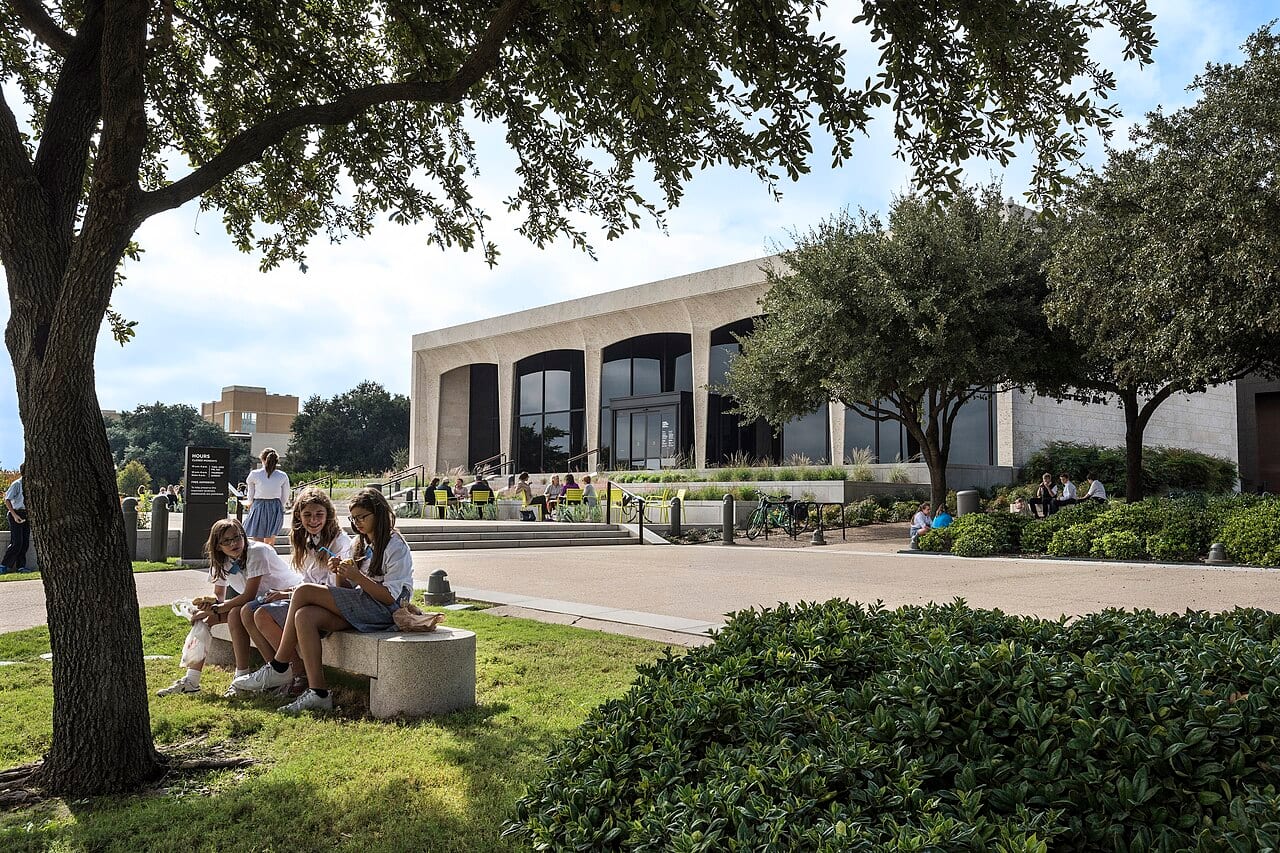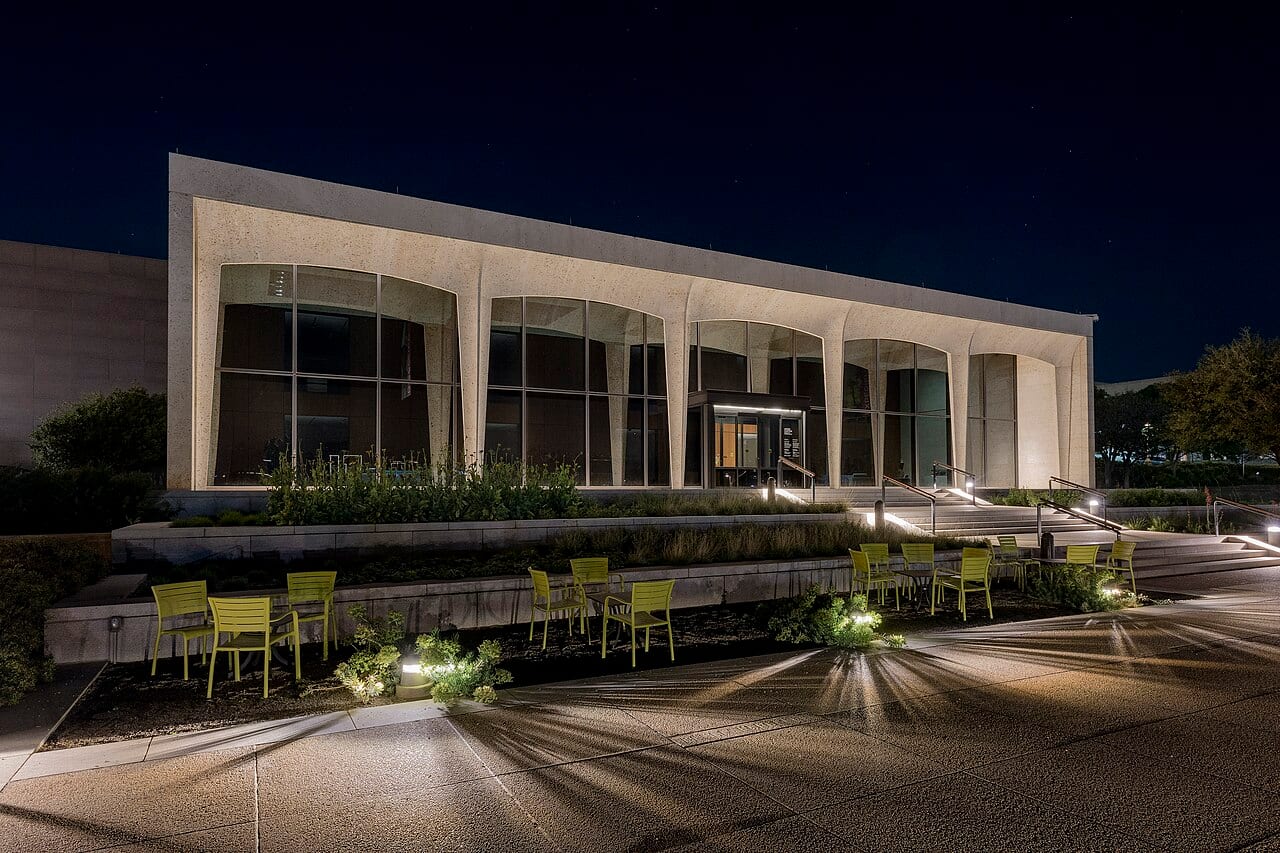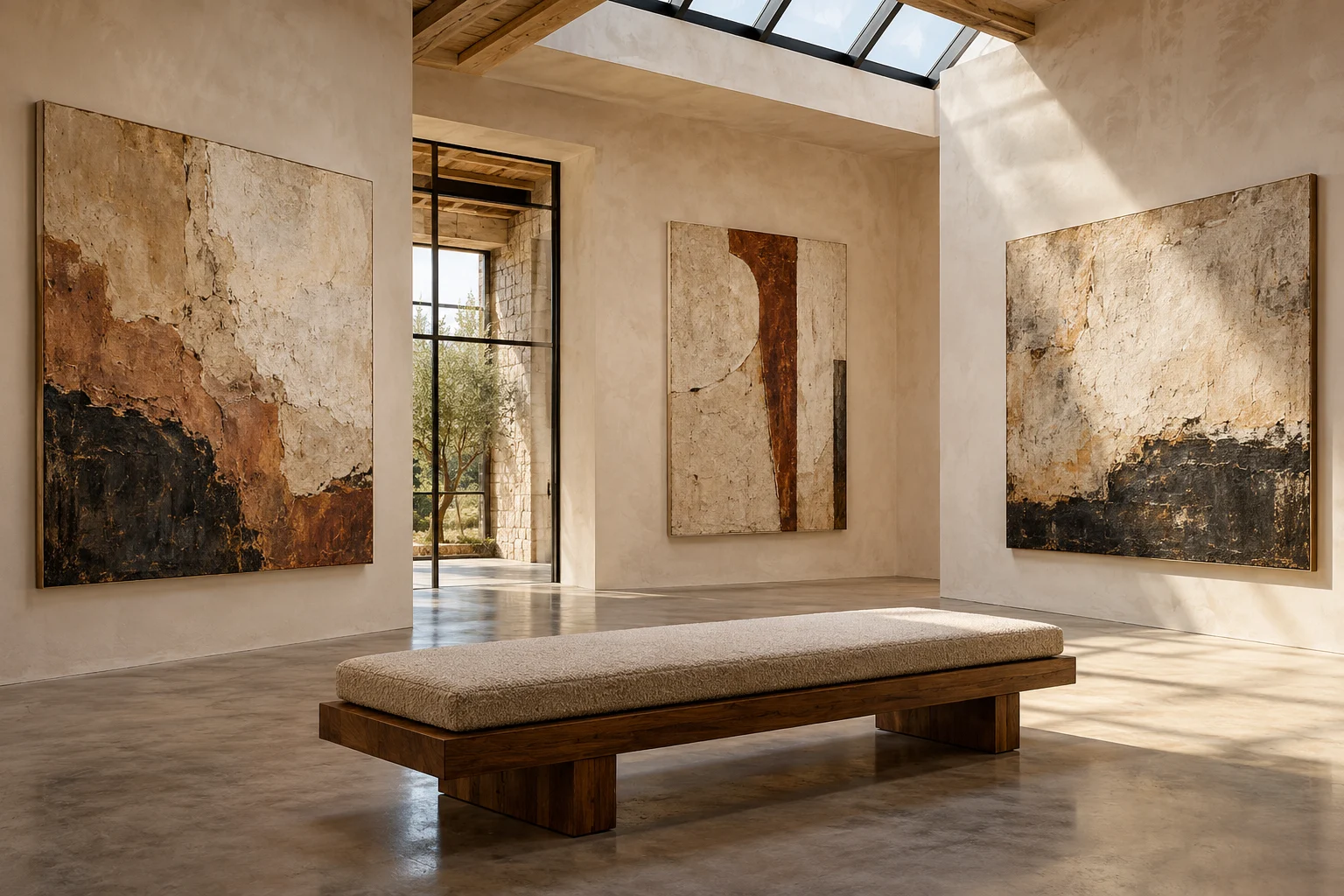
A scrap of paper tucked into a used book or a half-filled notebook found in an old desk can feel like a map to a treasure you weren't meant to find. Often, these are unfinished cultural itineraries—lists of galleries in the Fort Worth Cultural District, specific sculptures in Dallas, or historical sites that a predecessor intended to visit but never quite reached. Instead of letting these fragments gather dust, you can transform them into a meaningful way to connect with both the creator and the region.
Capturing the Context
The primary challenge with an inherited plan is that the why is often missing. A name written next to a museum might represent a lifelong passion or a fleeting interest. To make the discovery useful later, do not just record the destination. Note the specific work, the creator, and the source of the information. If the note says "The blue series at the gallery," write down exactly which gallery was mentioned and where that note was found. This preserves the thread of the original thought.
Crucially, add a personal observation about why that specific item mattered to the person who left it behind. Did they mention a specific light in the afternoon, or a certain quietness in a particular wing? Recording these subjective details prevents the list from becoming a mere checklist of chores.
The Tradeoff of Accuracy
There is a tension between following the original plan exactly and adapting it to your own rhythm. You may feel an obligation to visit every site in the exact order listed, but a rigid adherence to a dead person's schedule can strip the joy from the exploration. The tradeoff is between historical fidelity and personal discovery. If you follow the list strictly, you honor the sequence; if you deviate, you honor the spirit of curiosity.
For example, if you find a list that suggests a heavy afternoon of walking through several sculpture gardens, you might find that your own energy levels or the North Texas heat require a different pace. You can choose to split the list over two weekends rather than forcing a single, exhausting day. This allows you to sit with the art rather than rushing to finish a task.
Building a Living Record
As you move through these sites, treat your own notes as a continuation of the conversation. Rather than just checking a box, leave a specific question to revisit. This keeps the cultural discovery active rather than closed. If a particular exhibit leaves you puzzled or moved, write down: "How does this piece change my view of the artist's later work?" or "Would the light in this room look different in the winter?"
By documenting the work, the creator, and your own evolving questions, you turn a fragmented inheritance into a living dialogue. You aren't just visiting a museum; you are completing a journey that began long before you picked up the pen.