Hosting a dinner party often implies the host remains in the kitchen, orchestrating the flow of plates while guests converse. However, there is a distinct pleasure in sitting down to a meal alongside your company. Transitioning from a service role to a dining role requires a shift in how the menu and the labor are structured.
Aligning the culinary vision
The primary challenge of a shared meal is the tension between a host’s specific vision and a guest’s dietary needs or preferences. If you have a particular dish in mind, you must weigh that desire against the practicalities of what your guest enjoys. A menu that is too specialized can leave a guest feeling sidelined, while a menu that is too accommodating might dilute the experience you intended to provide.
For example, if you are eager to serve a complex, spicy seafood pasta but your guest prefers mild, earthier flavors, you face a tradeoff. You can either pivot your entire menu to a middle ground or choose a meal that allows for individual adjustments. Ask your guest which ingredients they specifically avoid and which flavors they find most inviting before you begin your shopping.
Dividing the labor and the load
To ensure you are not stuck at the stove while your guest is already halfway through a glass of wine, the division of tasks must be settled well in advance. This involves separating the heavy lifting of preparation from the final presentation. When a guest offers to contribute, it is helpful to move beyond the vague "let me know what to bring."
Instead, suggest specific categories that do not require you to manage more heat or timing issues in your kitchen. You might ask a guest to provide the wine, a specific side dish, or a dessert. If they are bringing a dish, clarify whether they will arrive with it ready to serve or if they will need access to your oven or counter space to finish it. This prevents a sudden influx of unmanaged kitchen activity right as you are trying to plate your own meal.
Managing the service flow
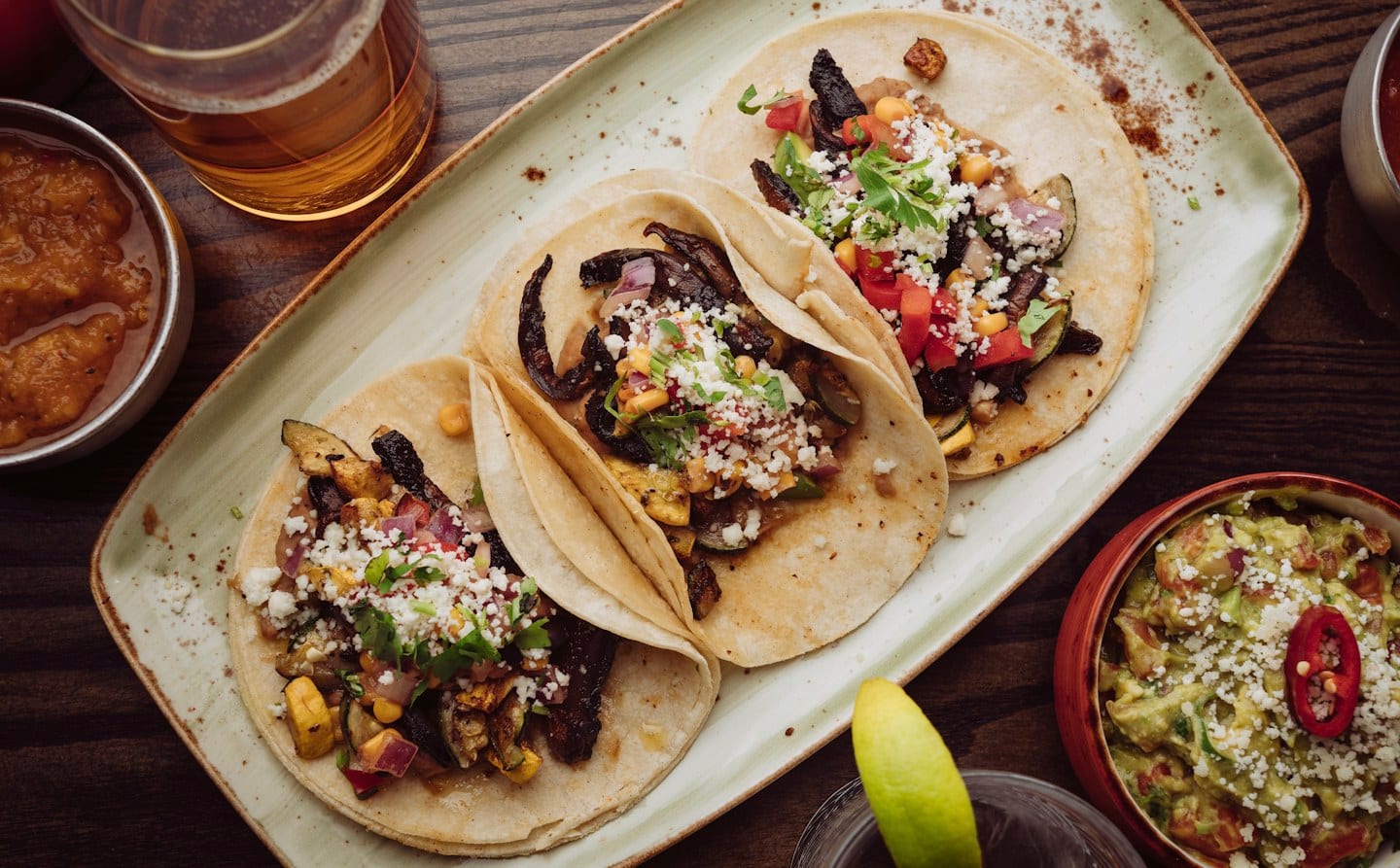
A shared dinner works best when the transition from kitchen to table is seamless. If you are both eating, the "serving" aspect must be simplified. This might mean choosing a style of dining where platters are placed in the center of the table for everyone to access, rather than a formal plated service that requires you to act as a waiter.
Consider the timing of your preparation. If the meal requires constant attention, you will not be a participant in the conversation. Ask yourself if the chosen menu allows for a period of rest before the guest arrives. By deciding on the menu, the guest's contributions, and the method of service before the first ingredient is chopped, you ensure the evening is defined by the company rather than the chores.