This is a paid partner contribution. Commercial relationships are disclosed so readers can distinguish sponsored content from editorial guides.
A blank storefront or an empty lobby presents a specific kind of creative tension. You know the space needs a visual identity, but the transition from a vague idea to a physical object involves a series of technical and aesthetic choices. Whether you are looking for a permanent monument sign or exploring content development for digital signs, the quality of your first conversation with a provider often dictates the smoothness of the entire project.
Defining the visual goal
Before meeting with a specialist, take time to observe the environment where the sign will live. Consider the lighting, the distance from the street, and the textures of the surrounding walls. A sign that looks striking in a brightly lit showroom might disappear against a dark brick facade in the afternoon sun. Instead of walking in with a finished design, walk in with a description of the feeling you want to evoke and the specific information that must be legible from a distance.
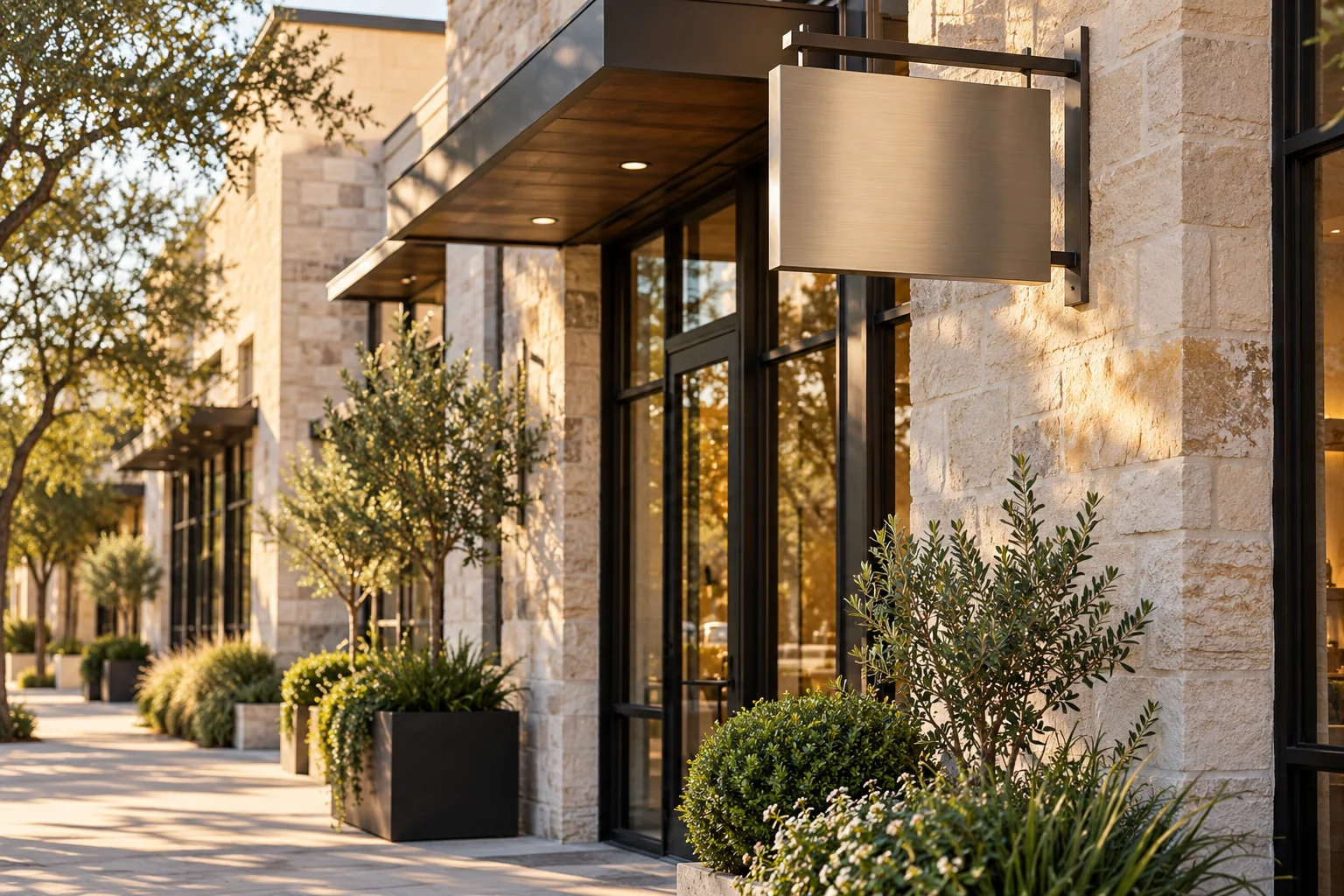
For example, if you are opening a boutique, you might weigh the tradeoff between a large, brightly lit plastic sign that catches every passing driver's eye and a smaller, brushed metal sign that offers a more understated, premium aesthetic. One prioritizes immediate visibility, while the other prioritizes brand tone. Identifying which of these matters more to your business model will help guide the conversation.
Gathering physical details
A productive consultation relies on concrete data rather than approximations. If you have a specific location in mind, bring measurements of the mounting surface. Knowing the height, width, and material of the wall or window allows for much more accurate discussions regarding weight, attachment methods, and scale. If you are unsure about the local requirements for mounting certain types of displays, ask the provider which local guidelines they follow and how they manage the installation process.
It is also helpful to have a collection of images. These do not need to be professional renderings; they can be photos of signs you have seen in other neighborhoods or even sketches on a napkin. These visual cues help bridge the gap between a verbal description and a physical reality.
Asking the right questions
Once you have your measurements and ideas ready, use the meeting to clarify the logistics of the project. Rather than assuming a timeline, ask about the stages from initial design to final installation. You might ask how they handle revisions to a design or what the process looks like if the initial mounting surface presents unexpected challenges. To see how others have navigated their own projects, you can look at FASTSIGNS Fair Park reviews.
The most effective way to prepare is to arrive with a clear understanding of your own priorities: visibility, durability, or aesthetic subtlety. By presenting your physical site details and your specific brand goals, you turn a vague inquiry into a structured plan of action.